Aristotle
- David Sunnanquist
- 17 mars 2023
- 2 min läsning

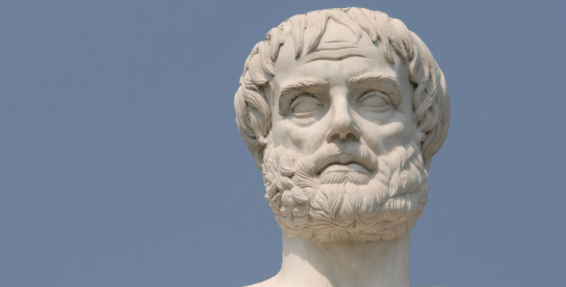
Aristotle, the ancient Greek philosopher, is considered one of the most influential figures in the history of Western thought. He was a student of Plato and the teacher of Alexander the Great, and his contributions to philosophy, science, and ethics have shaped the way we understand the world today.
Aristotle was born in Stagira, Greece in 384 BCE, and he studied at Plato's Academy in Athens for nearly 20 years. While he was influenced by Plato's philosophy, Aristotle also developed his own unique theories and ideas. One of his most important contributions was his system of logic, which he used to develop his theories on science, metaphysics, and ethics.
Aristotle believed that everything in the world was made up of four elements: earth, water, air, and fire. He also believed that every object had a purpose, or "telos," which was its ultimate goal or function. This idea influenced his theories on biology, as he believed that every living thing had a specific purpose and function in the natural world.
In addition to his work on science and metaphysics, Aristotle also developed a system of ethics based on the concept of the "golden mean." This idea held that the key to living a virtuous life was to find a balance between two extremes. For example, courage was the balance between cowardice and recklessness, and generosity was the balance between greed and stinginess.
Despite his many contributions to philosophy, Aristotle's ideas were not always universally accepted. His theories on biology, for example, were later proved to be incorrect, and his system of ethics has been criticized for its focus on the individual rather than society as a whole.
However, Aristotle's influence on Western thought cannot be denied. His ideas on logic and metaphysics laid the foundation for many later philosophers, and his system of ethics continues to be studied and debated to this day.
In conclusion, Aristotle's contributions to philosophy, science, and ethics have had a profound impact on the way we understand the world today. While some of his ideas may have been proven incorrect or flawed, his legacy as one of the greatest thinkers in Western history remains secure. As we continue to grapple with questions about the nature of reality, the purpose of existence, and the nature of morality, we would do well to remember the contributions of Aristotle and the insights he has provided us.


Kommentarer